
The Future of B2B Content: Integrating GPT-4o for Smarter Visuals
At Brandhouzz, we’ve seen a fair few tech shifts affecting B2B marketing over the years – but this one genuinely feels different. In this case, it’s not just a shiny new toy. It’s a powerful tool that can reshape how you build campaigns, go to market, and engage decision-makers faster.
So what’s actually new?
GPT-4o’s image generation isn’t just better – it’s smarter, faster and more commercially useful.
Here’s why as B2B Marketer you should pay close attention:
Photorealistic visuals in seconds – think lifestyle imagery, product mock-ups, abstract concepts – all AI-generated and on-brand.
Text that actually looks like part of the ad – no more AI gibberish. We’re finally seeing legible, layout-aware copy within the visuals.
Refine through conversation – want to tweak the background, change the mood, add a second product? Just ask. No brief, no studio time.
Style consistency – upload your brand’s tone, colours, and visuals. The output follows your look, not just a generic AI template.
This isn’t a Midjourney knockoff. This is ad-grade, campaign-ready image generation, with all the polish B2B marketers demand.
What does this mean for B2B Marketing?
B2B creative is under pressure. Marketers are expected to do more with less – less time, less budget, less room for error. GPT-4o slots perfectly into this landscape. It helps:
Speed up content production – think same-day creative for product launches, sales decks, and account-based campaigns.
Cut costs without cutting corners – reduce your reliance on outsourced design without sacrificing quality.
Level up personalisation – create niche visuals for specific verticals, industries, or buyer personas with ease.
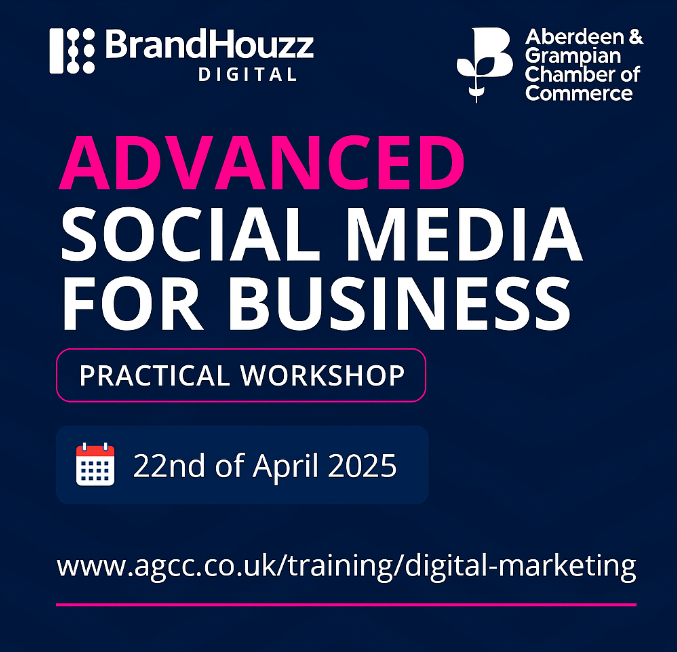
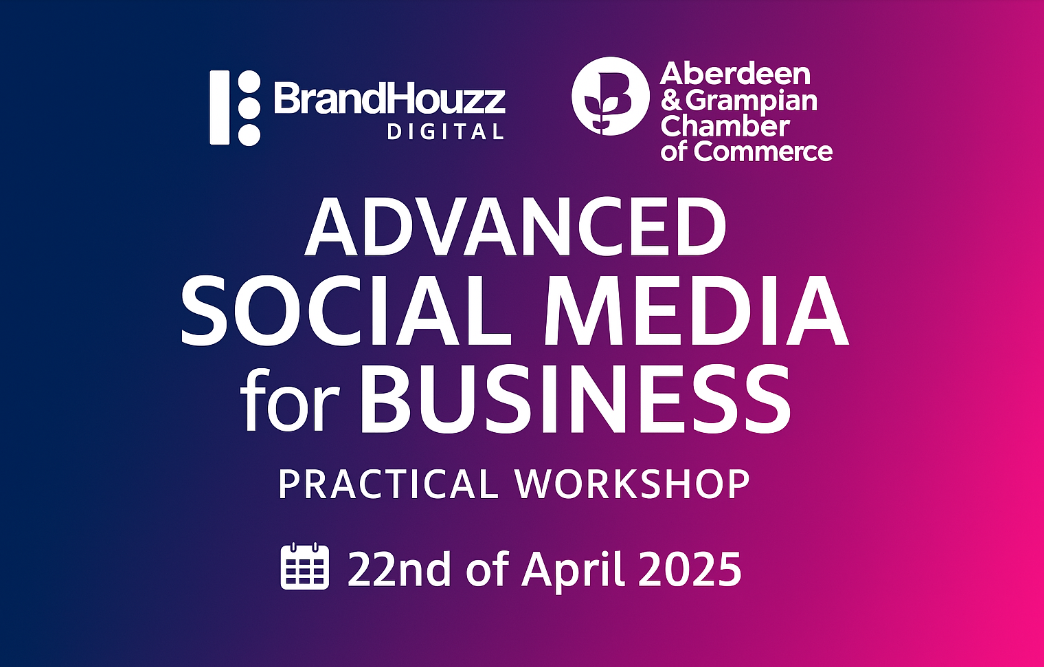
Demonstrating Static Image Generation with GPT-4o
We are starting to embrace GPT-4o within our own creative and campaign workflows. While the technology still has some limitations – particularly when it comes to generating or integrating logos accurately – its strengths in visual storytelling, speed and consistency make it a transformative asset in our toolkit.
Utilising our upcoming “Advanced Social Media for Business” workshop training example, we’ve developed a new visual language that combines speed, brand consistency, and creative clarity. Our recent attempts have demonstrated:
Rapid generation of high-quality visuals for event announcements and social media
Consistent application of our brand palette
Intuitive designing process that allow greater autonomy and creative precision
Rewriting the B2B Marketing ‘Creative Playbook’ with AI
GPT-4o is becoming the creative industry’s ultimate sidekick – streamlining concepting, testing and social-first design, without replacing the craft of experienced designers. It’s a tool to enhance creativity, not erase it.
For clients looking to scale product marketing or vertical-specific content – it’s a no-brainer. While AI can boost content creation, it still relies heavily on human judgment and input: knowing your brand inside out, applying guidelines consistently, and crafting thoughtful prompts that deliver on-brief, on-brand results.
While AI-generated video has made significant progress, it still falls short of the quality required for professional, user-generated content, where human creativity and production standards remain crucial. The technology also continues to struggle with accurately rendering logos and distinguishing between brand marks – a key limitation for commercial use. Similarly, bias in image generation remains a challenge, but we believe the key lies in better prompting. Thoughtful, intentional input leads to more responsible output, and creating inclusive, representative content demands specificity. Ethical AI use isn’t passive; it calls for prompt creators to take an active, leading role.
Follow us on LinkedIn for the latest examples, insights, and behind-the-scenes of how we’re using GPT-4o to enhance creatives in B2B marketing.